
Guardians Are Learning the ABS Challenge Game in Real Time
All Things Guardians
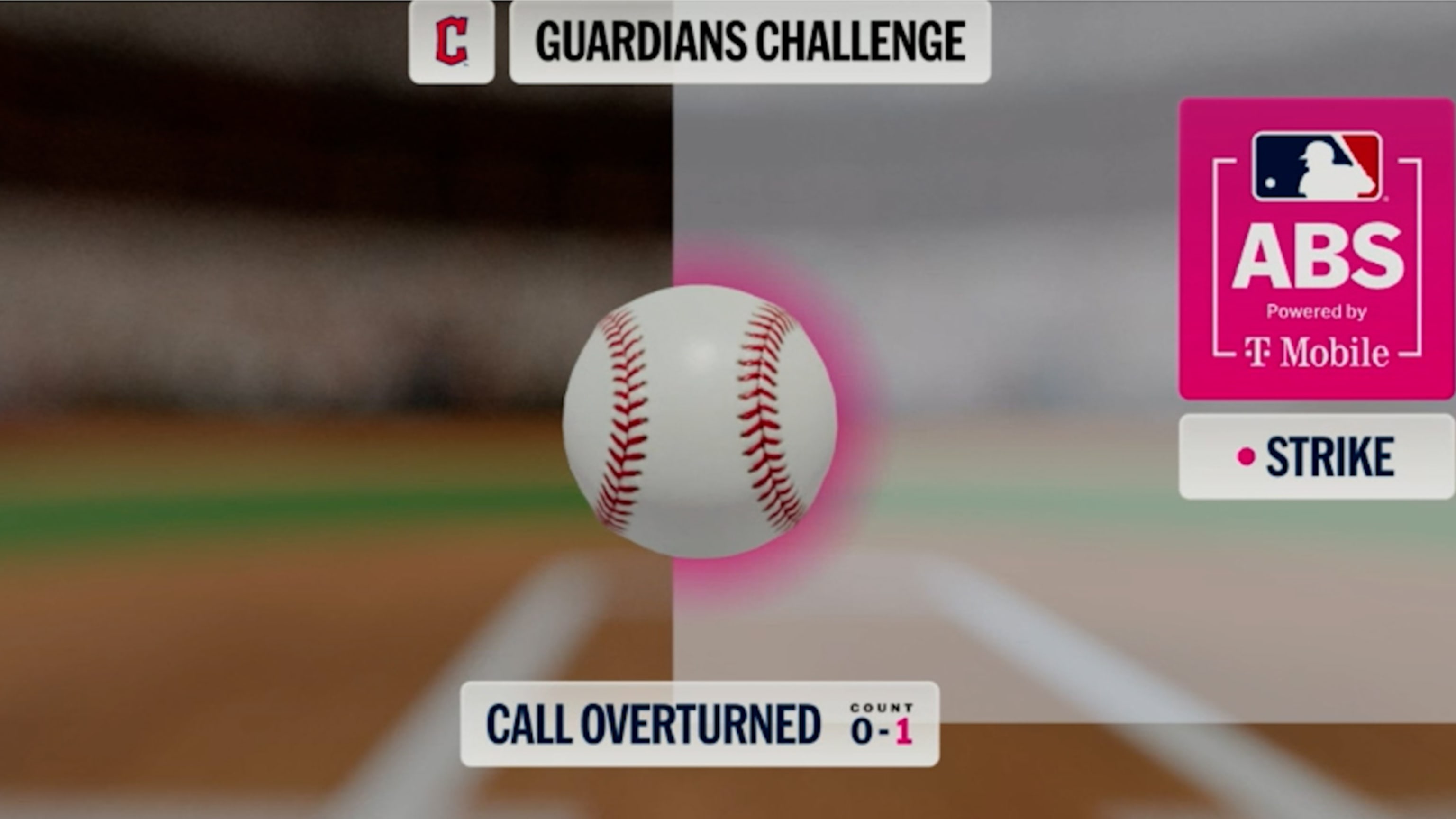
The Automated Ball-Strike Challenge System has added a new layer to Major League Baseball in 2026, and the Cleveland Guardians are still trying to find their footing with it.
Instead of replacing home-plate umpires completely, ABS gives players a check-and-balance system. The umpire still makes the call. Then the batter, pitcher or catcher can challenge it immediately. If the challenge is right, the call changes. If it is wrong, the team loses that challenge.
Cleveland’s Early ABS Results
Early on, Cleveland has been one of the more interesting test cases. According to MLB’s April look at the Guardians’ ABS usage, Cleveland hitters entered April 22 with a 7-for-24 mark on offensive challenges, a 29 percent overturn rate that ranked last in baseball at the time. Defensively, the Guardians were better, going 9-for-17 for a 53 percent overturn rate.
More recent public ABS tracking has Cleveland sitting around 46 percent overall, with 35 successful challenges in 76 attempts. That is not disastrous, but it is below the league’s better clubs and shows the Guardians are still learning when to trust their eyes and when to let a borderline pitch go.
ABS Snapshot: Guardians So Far
Early offensive rate: 7-for-24, 29%
Recent overall rate: 35-for-76, 46%
The Catcher’s View
For catchers, this system is a real adjustment. Austin Hedges had been Cleveland’s most successful defensive challenger early in the season, while Bo Naylor and David Fry were also part of the equation behind the plate.
The hard part is that every hitter’s zone is measured individually. A pitch at the top of the zone to a taller hitter may not look the same as it does to Steven Kwan. Catchers have to process the pitch, the count, the hitter, the game situation and the challenge count almost instantly.
What About the Umpires?
From the umpire’s point of view, ABS is both protection and pressure. It protects them because a missed call can be corrected quickly without a long argument. But it also puts every close pitch on a public scoreboard. The umpire makes the call, the player taps for a challenge, and suddenly the entire ballpark watches the verdict.
That is a tough place to work. Umpires are still responsible for managing the game, keeping pace, handling checked swings, foul tips, hit-by-pitches and everything else around the plate. Now, on top of that, they have a visible review system judging some of their toughest calls in real time.
Would You Want That Pressure?
For fans, ABS is fun. It creates drama, strategy and instant reaction. For players and umpires, it is a different kind of stress. One tap can flip a strikeout into a walk, extend an inning or take away a pitcher’s edge.
So here is the question: would you want that pressure? Could you stand behind the plate at Progressive Field, make the call in real time, and then watch the replay decide whether you were right?